
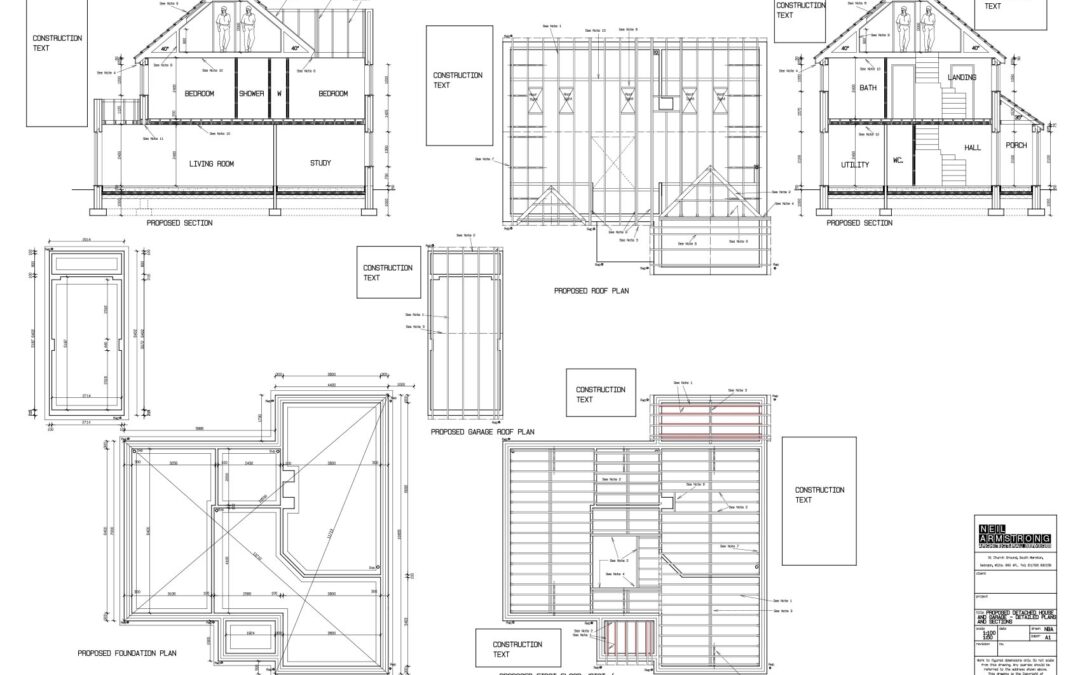
Open-plan living shapes how people cook, relax, work, and connect every day. However, removing walls never guarantees better living. Smart design decisions create the real difference. A skilled architectural designer in the Cotswolds begins with people, and not just plans.
They study movement, habits, and lifestyle needs before sketching layouts. This approach ensures open spaces feel purposeful, calm, and practical. Homeowners now seek designs that balance openness with comfort.
Open-plan layouts also demand careful thinking about light, sound, and structure. Designers guide homeowners through these challenges with clarity. When done well, open-plan living supports modern life while respecting traditional homes.
Knowing Lifestyle Patterns Before Opening the Space
Architectural designers start with how people live inside their homes. They observe daily routines closely. This insight shapes every design decision. Designers focus on movement, interaction, and quiet moments.
Here’s what they take into account:
- Morning traffic between the kitchen and dining areas
- Sightlines between social and private zones
- Furniture placement and circulation paths
- Natural gathering points for family and guests
Creating Clear Zones Without Physical Barriers
Open-plan living still needs structure. Designers create zones through layout rather than walls. Each area gains purpose while staying visually connected.
Designers achieve this through:
- Floor level changes or material transitions
- Strategic furniture positioning
- Ceiling details that define each zone
- Subtle changes in lighting design
An experienced architectural designer ensures each zone flows naturally. This makes the space feel open yet organised.
Managing Light, Scale, and Orientation Carefully
Natural light drives open-plan success. Designers study orientation and window placement early. They guide light deep into the space without glare. These are the key aspects they focus on:
- Window positioning for balanced daylight
- Glazing sizes that suit room proportions
- Preventing overheating during the summer months
- Maintaining a human scale within large rooms
A knowledgeable architectural designer in the Cotswolds also respects local character. They blend modern openness with traditional forms.
Addressing Acoustics and Comfort from the Start
Sound travels quickly in open spaces. Designers tackle this issue early. They select materials that soften noise without harming style.
Here are the common strategies:
- Acoustic ceiling treatments
- Soft furnishings that absorb sound
- Thoughtful spacing between noisy and quiet zones
Handling Structural and Regulatory Requirements
Open-plan design often requires structural changes. Designers manage this complexity confidently. They work with engineers to maintain safety and stability.
A few key considerations to keep in mind are:
- Load-bearing wall assessments
- Integration of steel supports discreetly
- Compliance with building regulations
- Fire safety and ventilation planning
Designing Open-Plan Spaces That Last
Trends change quickly. Designers focus on longevity instead. They create adaptable spaces that evolve with life stages. Here are a few things they plan for:
- Flexible furniture layouts
- Home working needs
- Growing families or downsizing
- Strong resale appeal
Open-plan living succeeds through careful planning, and not just guesswork. A trusted architectural designer in the Cotswolds helps homeowners avoid costly mistakes. They translate lifestyle needs into spaces that feel effortless and timeless. If you plan an open-plan project, speak with Neil B Armstrong to explore design solutions that truly fit your home.